


A grilled cheese sandwich is defined by one ingredient. It is the cheese. Choose well and a dollar of dairy becomes the best lunch of the week. Choose badly and you are scraping a greasy disappointment off the pan and wondering where it all went wrong.
So let us settle it, properly. Not with vibes, and not with whatever happened to be in the drawer, but with the actual science of why some cheeses flow and others fight you, followed by a ranking of forty of them based on their potential for enhancing hot sandwiches. The test is simple and it never changes: how good is this cheese inside a real grilled cheese? A few of the answers are obvious. A few are going to start arguments at the dinner table. That is exactly what a tier list is for.
We took a first swing at this a few years ago with a much shorter list. Consider this the definitive version.


What actually happens when cheese melts
Cheese is a scaffold of casein proteins holding fat and water in place, with calcium acting as the glue between the protein strands. Heat takes it apart in stages. Around 90°F the milk fat softens and the cheese starts to slump and sweat. Push past roughly 130 to 150°F and the protein network loosens its grip, the strands begin to slide, and the solid turns to flow. That sliding is the gooey stretch you are chasing.
Four things decide whether you get a beautiful melt or a broken one.
Moisture. Water lets the proteins move. Younger, wetter cheeses flow easily. A very dry, aged cheese has lost much of its water, so its proteins lock up and it tends to scorch or turn grainy instead of melting.
Fat. Fat is the lubricant. A full-fat cheese melts richer and smoother. Low-fat cheese melts into something rubbery and sad, because you have taken away the grease that carries the texture.
Age. A young cheese has long, intact protein chains and plenty of calcium glue, which gives a stretchy, cohesive melt. As a cheese ages, enzymes chop those chains into shorter pieces and the moisture drops. A little age deepens flavor. Too much age, and the proteins can no longer hold the fat, so it weeps out and you get an oil slick with solids floating in it.
Acidity. This is the quiet one that explains the bottom of the list. Cheeses set with acid rather than rennet, or made at a low pH, have had much of their calcium stripped away. With the glue gone, the proteins clench into tight bundles that hold their shape when heated instead of flowing. That is exactly why halloumi, feta, paneer, and queso fresco can sit in a hot pan, brown, and never go gooey. It is a feature of those cheeses, just not the feature you want in a melt.
This is also the secret behind processed cheese. American cheese and the stuff in the jar are built with emulsifying salts such as sodium citrate, which hold the fat and protein in a smooth, stable suspension no matter how hot things get. It is the reason a slice of American melts more flawlessly than a forty dollar wedge of aged cheddar. Flavor is another conversation entirely, but on pure melt, chemistry wins.
The sweet spot, then, is a cheese with decent moisture, full fat, a moderate age, and a rennet-set, higher pH body. That description fits the alpine cheeses, the young washed-rind cheeses, the jacks, and a good melting cheddar. Hold that picture in your head and the S tier will look obvious.
Bread, fat, and heat
The cheese does most of the work, but it cannot save a sandwich built wrong. A few things matter almost as much.
For bread, you want structure without big holes. A sturdy white sandwich loaf, pain de mie, a soft country loaf, or a mild sourdough all work. Slice it around half an inch thick. Anything too airy lets the cheese leak out the bottom and burn in the pan.
For the fat on the outside, butter gives you the best flavor and that nutty browned edge. A lot of cooks, this one included, reach for a thin layer of mayonnaise instead, or a mix of both. Mayonnaise is mostly oil with a higher smoke point than butter, so it browns evenly and crisps without scorching, and it spreads to the very edges with no torn bread. Whichever you choose, take it corner to corner.
For heat, go lower than you think. The single most common mistake is a pan that is too hot, which paints the bread dark brown long before the center has melted. Medium low is the move. Cover the pan for a minute to trap heat and steam the inside into submission, and slice or grate the cheese thin so it gives up before the crust does. Patience is the technique. There is barely anything else to learn.
Last, the principle that separates a fine grilled cheese from a great one: blend. The best versions use two or three cheeses with different jobs. One for melt, like Jack, young gouda, or American. One for flavor, like sharp cheddar, Gruyère, or Taleggio. Sometimes a third for stretch, like low moisture mozzarella or Oaxaca. The rankings judge each cheese on its own, but almost every cheese improves with a good partner.
S Tier: born to melt
These are the cheeses that melt as well as they taste, with nothing to apologize for. If you only learn five names from this list, learn these.
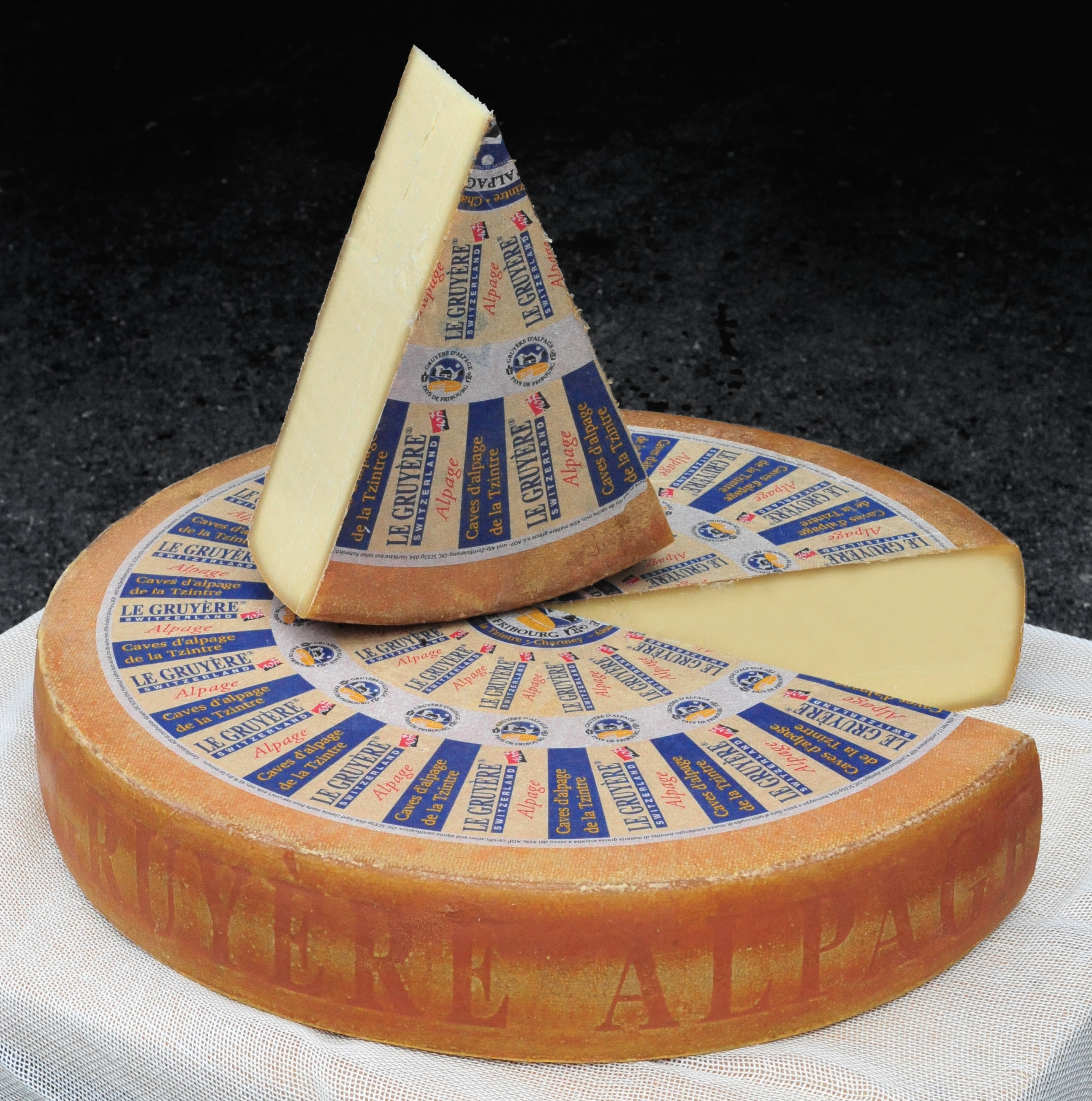
- GruyèreS
The benchmark. A Swiss alpine cow's milk cheese that tastes of brown butter and toasted nuts with a faint savory funk underneath. It melts into a glossy, even, stretchy sheet that never breaks. When people describe a perfect melt, they are usually describing Gruyère without knowing it.
- ComtéS
Gruyère's deeper French cousin from the Jura. Younger wheels melt like silk, older ones bring caramel, toasted hazelnut, and the occasional crunchy crystal. You give up a little flow as it ages and gain a lot of flavor. Either way it belongs at the very top.
- ManchegoS
The One Sandwich house cheese, and it has earned its way into the top tier. A firm Spanish sheep's milk cheese, buttery with a gentle lanolin tang and a nutty, slightly sweet finish. Reach for a semi cured wheel and it melts into something delicate and luxurious that no cow's milk cheese quite copies. Go too aged and it turns grainy, so younger is the rule. We have argued for this cheese since the beginning, and here is where it belongs.
- FontinaS
The real thing from the Val d'Aosta, a washed rind cow's milk cheese that is earthy, woodsy, and heavy with butter. It melts thick and luxurious, which is why it carries Italian fonduta. Trim the rind, lay it on good bread, and a plain sandwich starts tasting expensive.
- TaleggioS
The sleeper of the S tier. It smells loud and tastes gentle, fruity and tangy with a beefy edge, and it melts into a soft, custardy pool. Add a little honey or fig jam and you have one of the best grilled cheeses most people have never made.

A Tier: elite and dependable
Not quite the untouchables, but you will never be let down reaching for one of these. A deep tier, and the place to look when you want a melt with real character.

- AppenzellerA
Switzerland's loudest alpine cheese, washed in a secret herbal brine that gives it a savory, almost spicy punch. It melts as cleanly as its cousins Gruyère and Emmentaler but arrives with far more personality. If you want the alpine melt with the volume turned up, this is the one.
- BeaufortA
A denser alpine relative of Gruyère with no eyes and a rich, brothy, almost floral flavor from mountain pasture milk. It melts thick and even and brings serious depth. Harder to find, absolutely worth the hunt.
- Saint-NectaireA
A semi soft cheese from the Auvergne with a grey, mottled rind that looks like it was pulled from a cave, because it was. Underneath it is supple and nutty, with notes of mushroom, hazelnut, and warm milk. It melts into a smooth, even layer with real depth, the kind of cheese that makes you wonder why you ever reached for the plastic wrapped stuff.
- CaciocavalloA
Southern Italy's answer to provolone, a pulled curd cheese aged in teardrop shapes tied in pairs and hung over a beam. Young, it is mild and milky. Aged, it turns sharp, savory, and almost piquant. Either way it melts and strings beautifully, with more personality than its cousin provolone, which is exactly why it climbs a tier higher.
- EmmentalerA
The original Swiss cheese, holes and all. Mild and smooth with a light nuttiness and a clean acidic snap at the finish. It melts beautifully and plays well with louder partners, which is why it shows up in so many fondue blends.
- RacletteA
A cheese named for the act of melting it, pungent and savory with a cured onion sweetness, and it melts into a clingy, gooey blanket as well as almost anything. The only reason it sits in A rather than at the very top is that its big aroma and one track richness can crowd out everything else in a simple sandwich. Give it a partner and it shines.
- Sharp CheddarA
The traditional answer, and a very good one. Buttery, tangy, and earthy, with a hazelnut note when properly aged. A medium to sharp block goes gooey and savory. A vintage, crumbly cheddar will turn oily and grainy on you, so save the special stuff for the cheese board and melt the everyday block.
- HavartiA
The friendliest cheese on the list. Danish, supple, buttery, and a touch sweet, mild enough to please an entire table. It melts fast and clean, which makes it a perfect base layer and a natural partner for fresh herbs or a stronger flavored second cheese.
B Tier: very good, a little more specialized
Reliable, well loved cheeses that either melt slightly less perfectly than the top tiers or lean on a particular use to shine. This is the deepest tier on the board, and you could build a great sandwich out of any of them.

- AmericanB
Technically a cheese product, and the single smoothest melt in the building thanks to its emulsifying salts. Mild, salty, and nostalgic, with a diner griddle gooeyness nothing else copies. It is short on complexity, but on pure performance it melts better than cheeses three times its price, and as a blending partner it has no equal. The melt earns the promotion.
- ProvoloneB
Milky and mellow when young, sharper and more piquant when aged. It melts smooth and stringy and pairs with nearly everything, the quiet workhorse behind countless deli melts.
- GoudaB
Young gouda is mild, springy, and melts like a dream. Aged gouda turns butterscotch sweet and crystalline but melts far less willingly. For a sandwich, reach for young or smoked gouda and save the aged wheels for snacking.
- Colby JackB
The marbled blend of Colby and Monterey Jack, mild and a touch sweet with fantastic color and a smooth, reliable melt. It does everything plain Jack does with a little more character and a prettier finish, which is exactly why it edges ahead of its paler sibling into B.
- MuensterB
The American version, not the funkier French Munster. Mild and a little tangy under that orange rind, it melts soft and even. This is the cheese quietly running your patty melt and a lot of your burgers.
- MorbierB
A French semi soft cheese split by its famous dark line of vegetable ash, nutty and supple with a mild barnyard funk. It melts into a smooth, creamy layer with more going on than its mellow looks suggest. A distinctive, underused pick that rewards anyone who reaches past the usual block.
- ReblochonB
A French alpine washed rind cheese, nutty and creamy with a gentle funk, the soul of tartiflette. It melts into a rich, runny pool that almost nothing else matches. A serious sleeper pick if you can get it.
- OaxacaB
A Mexican pulled curd cheese, a mozzarella cousin with more salt and more character. It melts and stretches like crazy, which makes it brilliant in a quesadilla and sneakily great in a grilled cheese.
- MozzarellaB
Low moisture block mozzarella is one of the great melt and stretch cheeses, clean and gooey with a pull that goes on forever. Mild flavor is the only thing keeping it out of the top tiers, which is exactly why it loves a sharper partner. Skip fresh mozzarella here, since it weeps water and softens the bread, and reach for the block.
- BrieB
Buttery, mushroomy, and full of flavor, and it melts into a gorgeous ooze. The only thing keeping it at the bottom of this tier rather than higher is upkeep, since the rind can stay rubbery and the moisture runs, so it wants a firm bread and a patient pan. Give it that and a little jam and it is hard to beat. Camembert behaves the same way.
C Tier: solid role players
Dependable cheeses that will not headline a sandwich on flavor, but each earns its keep through a clean melt, a mellow nuttiness, or a whisper of smoke. Every one is a fine blending partner.

- Monterey JackC
Soft, mild, buttery, and faintly sweet, with a clean, fuss free melt. It is the definition of a team player, a blank canvas that takes on whatever you put with it. On its own it is a little too quiet to rank higher, which is why Colby Jack, its more characterful sibling, gets the nod up into B.
- Port SalutC
A mild French monastery cheese with a bright orange washed rind and a smooth, springy interior. The flavor is gentle, faintly savory, never challenging, and it melts clean and even every time. There is nothing to dislike and not much to write home about, which is the precise definition of a C tier role player.
- JarlsbergC
A Norwegian Swiss style cheese, milder and more buttery than Emmentaler, with the same holes and a mellow, slightly sweet nuttiness. It melts smoothly and is very easy to like, if a little tame.
- EdamC
The Dutch cheese in the red wax coat, mild and slightly nutty with a firm, pliable body. Young Edam melts smoothly and politely; older Edam dries out and turns stubborn, so reach for the young stuff. It will never lead a sandwich, but it is a clean, inoffensive melter that holds up its end.
- AsiagoC
An Italian cow's milk cheese with two lives. Young and fresh, it is mild, nutty, and melts smoothly, which is the version you want here. Aged Asiago turns hard and granular and stops melting, drifting toward Parmesan territory, so reach for the young pressato and enjoy a pleasant, slightly sweet melt.
- IdiazábalC
A firm Basque sheep's milk cheese, traditionally lightly smoked over beech or hawthorn, with a bold, buttery, faintly smoky flavor. The firmness means it melts more reluctantly than a softer cheese, which is what holds it here, but the smoky depth it brings is something few cheeses on this list can match. Grate it fine and give it time.
- ScamorzaC
A drier aged mozzarella, usually smoked, with more flavor and a better stretch than the fresh stuff. The smoked version is the one to seek and makes a genuinely good melt. It leans a little one note on its own, which is all that holds it here.
D Tier: it works, but you are fighting the cheese
These four never quite give you a clean grilled cheese on their own. One pours, one spreads, one overpowers, and one is too rich to lead. Each does better as a supporting move than as the main event.
- Cheez WhizD
Salty, fatty, faintly tangy, and the heart of a real Philly cheesesteak. The catch is that it pours rather than melts, a smooth sauce straight from the jar with none of the structure a grilled cheese wants. It earns its keep on a cheesesteak and on pure nostalgia, but in a standard grilled cheese it belongs down here.
- Cream CheeseD
Tangy, dense, and very creamy, but it softens rather than melts. Use it as a rich spread layered against a firm bread and a sharper flavor, not as the main event. It is a texture and a tang, not a melt.
- LimburgerD
Yes, that Limburger, the cheese with the reputation that clears rooms. The aroma is famously barnyard, courtesy of the same bacteria that lives on human skin, but the flavor underneath is milder than the smell promises, savory and beefy. It does melt, softening into a creamy spread, but it is so loud that it bulldozes everything else in the sandwich. A novelty melt for the brave, not a foundation.
- CambozolaD
A German Brie and blue hybrid, creamy and only mildly blue, far gentler than the real thing. It melts soft and luxurious but is rich enough to take over a simple sandwich. A special occasion cheese, used in small amounts and good company.
F Tier: great cheeses, wrong job
Read this tier carefully, because it is the one people misread. Nothing here is a bad cheese. Each one is excellent on its own terms. They simply fail the standard grilled cheese on melt, on balance, or on both, and the list is about that job and no other.

- ParmesanF
One of the best cheeses in existence, complex and nutty and deeply savory, and almost useless as the main melt in a sandwich. Too dry and too aged, it seizes and goes oily instead of flowing. Its real trick is grated into the pan to crisp into a frico crust on the outside of the bread. A magnificent accent, a failed centerpiece.
- Pecorino RomanoF
A hard, aggressively salty sheep's milk cheese that has been seasoning Roman pasta for two thousand years. On a standard grilled cheese it fails for the same reason Parmesan does, only more so. It is too dry and too salty to melt into anything smooth, seizing and weeping oil instead. Grate it into the pan for a salty, crispy crust if you must, but it has no business being the melt.
- Blue CheeseF
Salty, sharp, and aggressive, and it melts greasy while flattening everything around it. A crumble tucked in next to a mellow melter is brilliant. A whole sandwich of it is a dare, not a meal. Gorgonzola sits in the same seat.
- HalloumiF
Its entire identity is that it does not melt. Salty and squeaky, it holds its shape and griddles to a golden crust, which is wonderful on its own and exactly wrong here. A halloumi grilled cheese never goes gooey, which defeats the whole purpose.
- FetaF
Briny, tangy, and crumbly. It softens and browns but will not melt into a smooth ooze, and the salt is too high to carry a sandwich. Crumble a little in for a tangy hit, but never build around it.
- RicottaF
Technically not even a cheese in the usual sense, but a soft, fresh curd made from leftover whey. It is creamy and mild and lovely on toast, and it does not melt so much as warm up and slump, leaking water as it goes. It will turn your bread into a soggy raft. Wonderful in a baked, stuffed sandwich, wrong for a standard grilled cheese.
Build a better melt
Rankings are for arguing. Sandwiches are for eating. Here are a few combinations that take the cheeses above and turn them into something worth the pan.
- The classic upgrade. Sharp cheddar for flavor, a slice of American for a flawless melt. The everyday grilled cheese, done right.
- The alpine. Gruyère with a little Comté on a sturdy sourdough. Nutty, deep, and endlessly satisfying.
- The stretch. Low moisture mozzarella or Oaxaca with provolone, for the long cheese pull.
- The funky. Taleggio with a thin swipe of fig jam. Loud aroma, gentle bite, a little sweet.
- The showstopper. Fontina and Gruyère inside, a crisp Parmesan frico crust outside. The best argument for keeping Parmesan around.
- The spicy. Monterey Jack with pickled jalapeños and a few dashes of hot sauce. Creamy heat, clean melt.


